It started at a winter solstice party. Between cups of tea and conversation, a guest mentioned that she sometimes “rescued” food from supermarket bins. At first, it sounded shocking. But by the end of the night, curiosity had won — and so began my journey into a hidden world of waste.
The first time I went to check a supermarket bin for food, I was nervous. I didn’t know what to expect — part of me was worried I’d be “caught” doing something wrong. But what I found made me realise the real wrong was happening before I even got there.
Inside the bin was a mountain of perfectly good food: cheese, bread, flowers, cakes, yoghurt, fresh fruit and vegetables. Enough to feed several families for a week. That night, I left with five full bags and a head full of questions.
Since then, I’ve been back many times. Just recently, I found a sealed 5kg bag of rice with a best-before date in 2026, along with fresh produce, cheese, milk, bread, and pantry staples like crackers and curry paste. We eat what we can, share the rest, and it still barely makes a dent in what’s there. 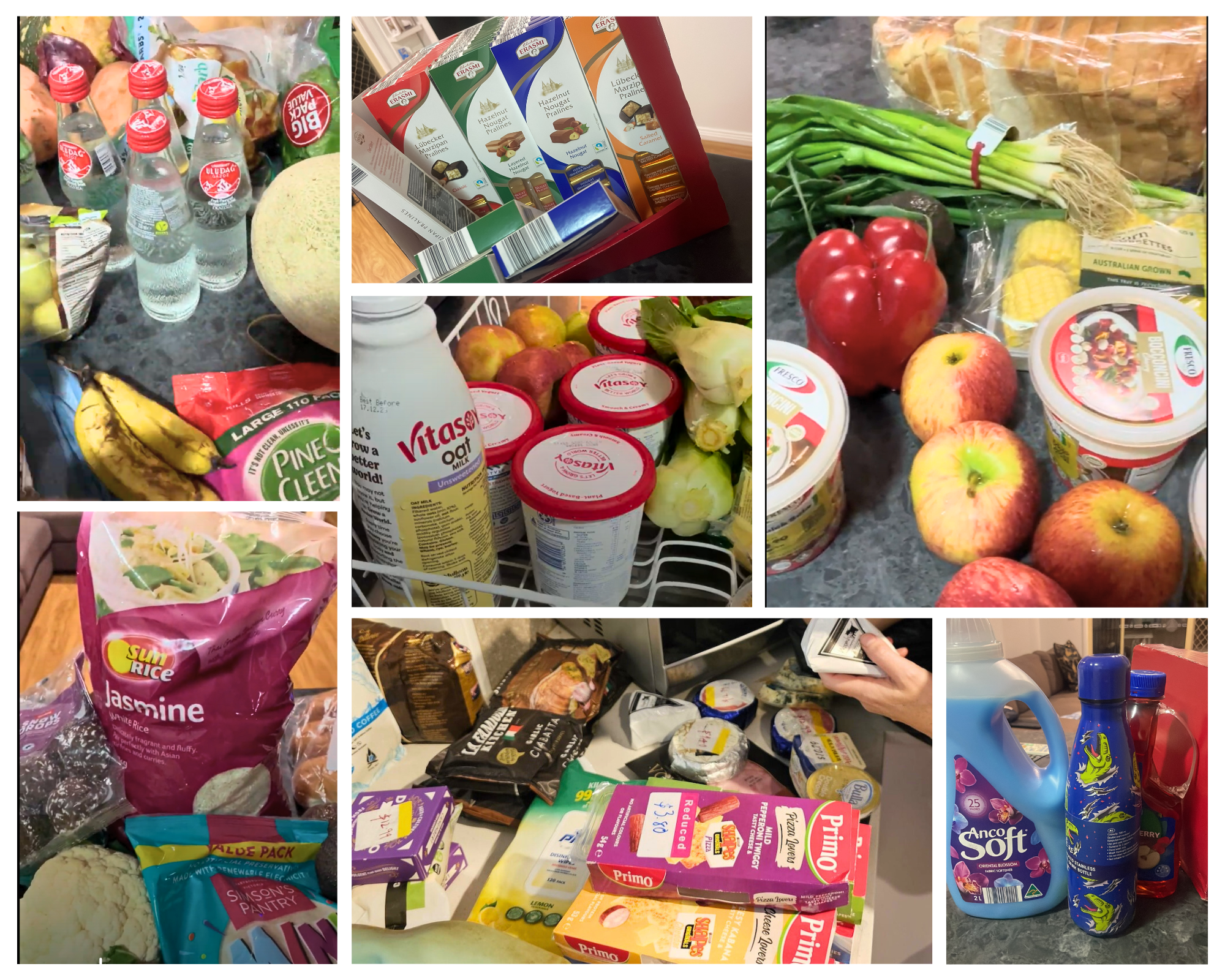
Over the past year, the value of the food I’ve saved is easily in the thousands of dollars — and that includes premium cheeses, artisan breads, and other items I’d never usually buy. But for me, it’s not about free groceries. It’s about seeing, first-hand, the staggering amount of food going to waste while so many families struggle with rising costs. The photos shown here are a small snapshot of the food rescued in one night. 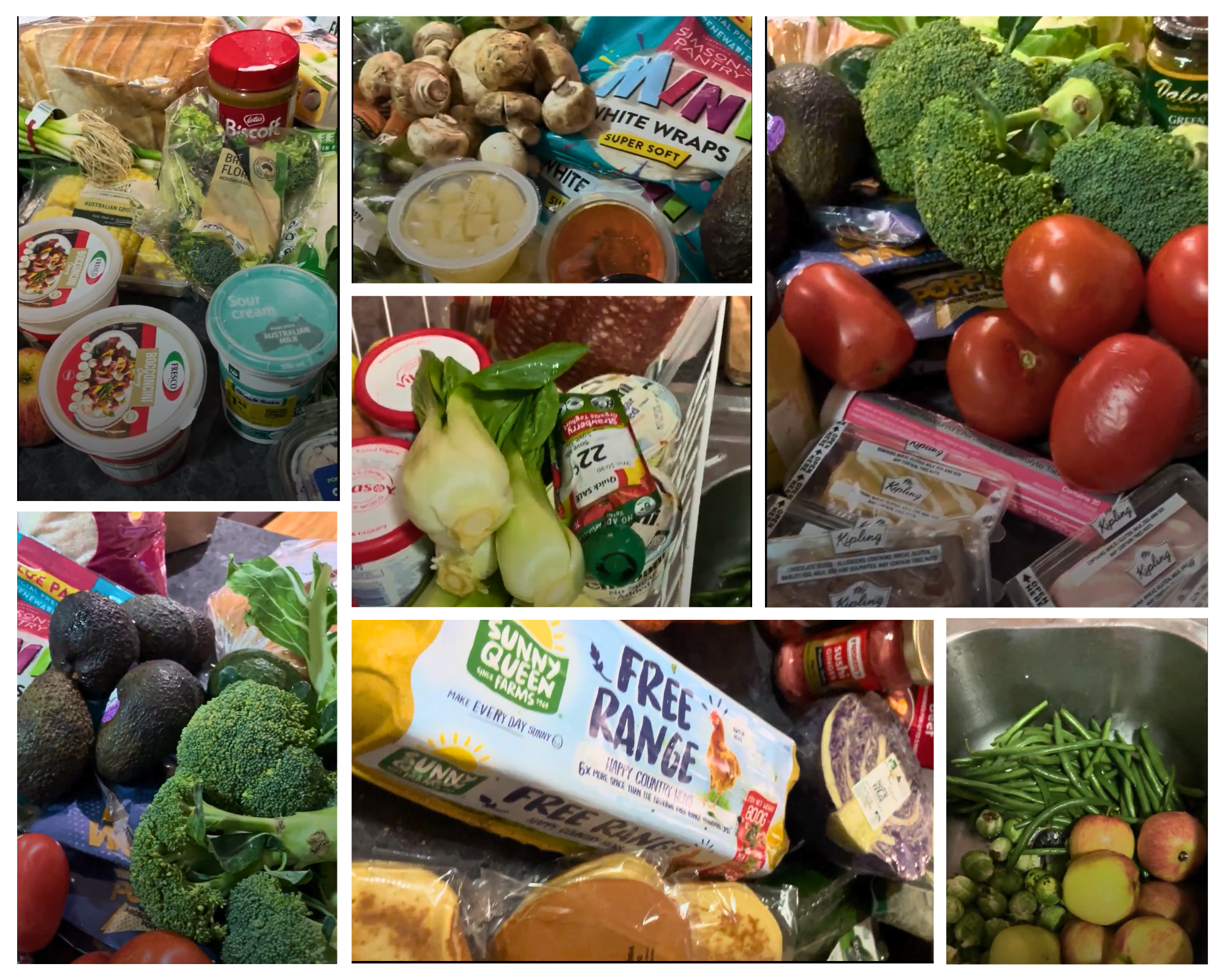
And the problem is far bigger than my own small corner.
By the numbers: Australia's Food Waste problem
-
7.6 million tonnes of food is wasted every year in Australia.
-
70% of this is still perfectly edible.
-
Food waste costs our economy over $36 billion annually.
-
When food rots in landfill, it produces methane — a greenhouse gas 28 times more potent than carbon dioxide.
(Source: Australian Government – National Food Waste Strategy)
I only ever visit a handful of stores. There are thousands more across the country — plus bakeries, butchers, and greengrocers — all producing waste every single day.
This small act has also connected me with a quiet community of others who feel the same way. We swap tips on when and where to find surplus, share excess with friends or neighbours, and help make sure more food gets eaten instead of dumped.
I can’t help but think of places like France, where it’s illegal for supermarkets to throw out edible food. I also know rules alone aren’t enough — I’ve seen food end up in “general waste” just as often as in “food recycling.” What really works is connecting surplus food to people who need it before it ever reaches the bin.
I’m now exploring ways to do that locally — whether it’s schools, community centres, or neighbourhood networks. It’s a small step, but it feels like a powerful one.
Ways I’ve Learned to Reduce Food Waste at Home
-
Plan ahead – Write a shopping list, stick to it, and avoid impulse buys.
-
Freeze it – If you can’t eat it in time, freeze it for later.
-
Embrace ‘ugly’ produce – It tastes the same, and buying it can stop it being discarded.
-
Keep track – Check your fridge and pantry regularly so food doesn’t get forgotten.
-
Share surplus – Offer extra food to neighbours, friends, or local community groups.
The takeaway?
Food waste is not just a cost-of-living issue — it’s a climate issue. Every apple, loaf of bread, or litre of milk that ends up in landfill represents wasted energy, water, and emissions. By rescuing, reusing, or simply buying only what we need, we can all play a part in turning the tide on waste.
*This important story has been shared anonymously by a member of the Parents for Climate community and does not necessarily represent the views of Parents for Climate. We amplify parent voices and raise awareness of societal issues that contribute to inequity and climate pollution. We advocate for systems change to address cost of living challenges and create a safe climate for our kids.