I’ve spent a long time thinking about what makes a leader. Who steps into leadership, why they do it, and what helps them make a meaningful impact in their community. These questions matter deeply for the climate movement, because the change we need depends on people stepping forward, often in ways that don’t look like “leadership” at first.
For most of my life, I didn’t see myself as a leader at all. As a young person, I avoided roles that came with responsibility or public scrutiny. As an adult, I actively steered clear of formal leadership structures - presidents, chairs, motions and AGMs were not for me. I supported causes I cared about, but from the sidelines.
That shifted in early 2021, when I fully grasped the scale and urgency of the climate crisis. I felt a strong need to share what I was learning so others could act too. At the time, I was working as a primary school music teacher, so I began giving five-minute talks at school assemblies on climate-related topics. A few weeks in, I told my principal I never wanted to be a leader like her. She gently pointed out that by taking initiative and speaking up, I already was one. Oops.
That moment changed how I understood leadership. I realised it isn’t always about holding a title or being elected to a role. Leadership can simply be speaking up about what matters, living your values with integrity, and supporting others to find their voice. Without realising it, I had been doing exactly that.
Looking back, I can now see many moments where I was leading without the label.
As a music teacher, I started a recorder ensemble that was open to any student who loved playing - no auditions, no age limits, no judgement. I created music that matched each student’s abilities and encouraged them to share their strengths. What began as four students grew into a confident group of twenty. The leadership behind this wasn’t authority - it was inclusivity, realistic expectations, knowing people well, and creating a space where everyone felt they belonged.
Later, when my sons’ high school organised a band tour, I helped form a parent-led fundraising group. We raised over $10,000 in just three months. Again, there were no formal roles or rigid structures - just people working together, using their strengths, motivated by a shared purpose. I didn’t ask anyone to do more than I was willing to do myself, even busking alongside the students.
And much earlier, as a 15-year-old, I organised a small group of friends to make monthly donations to support survivors of the Rwandan genocide. We didn’t have much, but we had compassion, commitment and a belief that collective action mattered - even across continents.
Across all of these experiences, the same leadership qualities show up again and again:
-
Passion and integrity
-
Inclusivity and non-judgement
-
Realistic expectations: meeting people where they’re at
-
Strong people skills and clear communication
-
The ability to identify a need and take initiative
-
The capacity to motivate others to act on what matters
These reflections have reshaped how I look for potential climate leaders. I now know we can’t limit ourselves to people in formal or traditional leadership roles. Many leaders are what I think of as organic leaders - people who motivate others not through position or power, but through trust, values and action.
Organic leaders are often already among us. They might be quiet contributors in school communities, community gardens or sporting clubs. They might run informal groups – walking groups, craft circles, parent networks. Or Parents for Climate might be the very first place they’re invited to use their leadership skills.
Our job, as a movement, is to create opportunities for these leaders to step forward – and to recognise leadership even when people don’t call it that themselves. Especially when they say, “I’m not a leader.”
Often, that’s exactly who we’re looking for.
About Sonya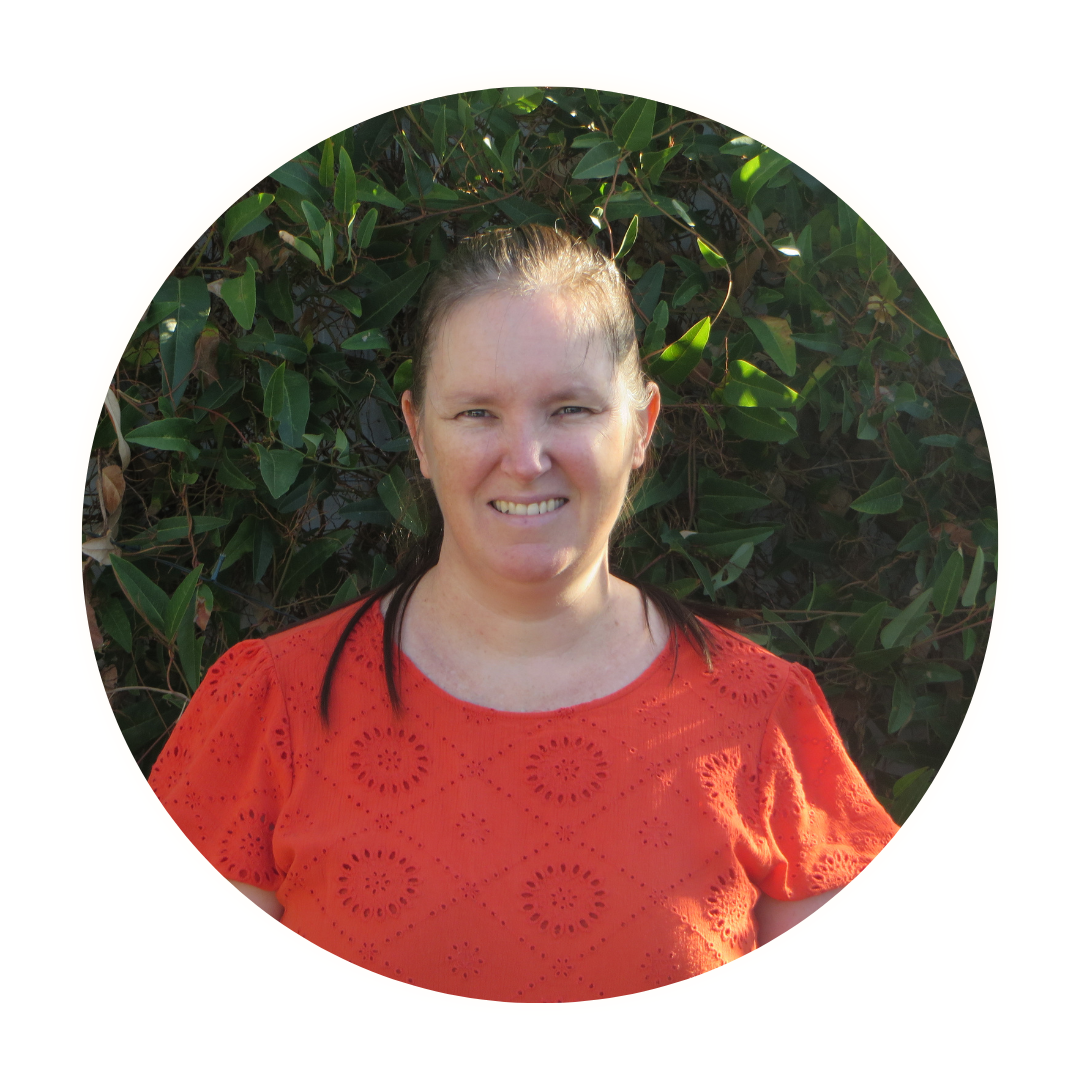
Sonya Elek is a mum living in Perth, Western Australia. After nearly 25 years of teaching music in schools, Sonya decided that changing careers was the best way she could help protect her sons and students from the worst impacts of climate change. From late 2024, Sonya worked as a Community Organiser with the Conservation Council of WA. Sonya has also been a dedicated local leader with Parents for Climate and volunteered as a climate conversation facilitator with Climate for Change. Sonya is a keen permaculture student and is proud to have a thriving worm farm - she is now dedicating more time to her studies, to her garden and projects that flourish from the Earth.