Most parents assume school and childcare gates are safe places for kids. Few realise they are often some of the most polluted with car exhaust sitting right at children’s breathing height while their lungs are still developing. The pollution is invisible, but the health impacts are real.
Idle Off is a simple, proven way communities are changing that. By encouraging drivers to switch off their engines while waiting, parents and educators are already improving air quality and protecting children’s health - together.
Join Parents for Climate and Doctors for the Environment Australia for the national launch of Idle Off. Hear from doctors, parent champions, and schools who are already making this work in their communities.
>> Tuesday, February 10
- 8:00pm AEDT (NSW, VIC, Tas, ACT)
- 7:00pm AEST (Queensland)
- 7:30pm ACDT (South Australia, Northern Territory communities observing daylight time)
- 6:30pm ACST (Northern Territory)
- 5:00pm AWST (Western Australia)
You’ll leave knowing exactly how to bring Idle Off to your own school or childcare and how to be part of a growing parent movement for clean air.
This isn’t about blame - it’s about community leadership, small actions, and big collective impact.
Because every child deserves to breathe clean air.
Guest Speakers

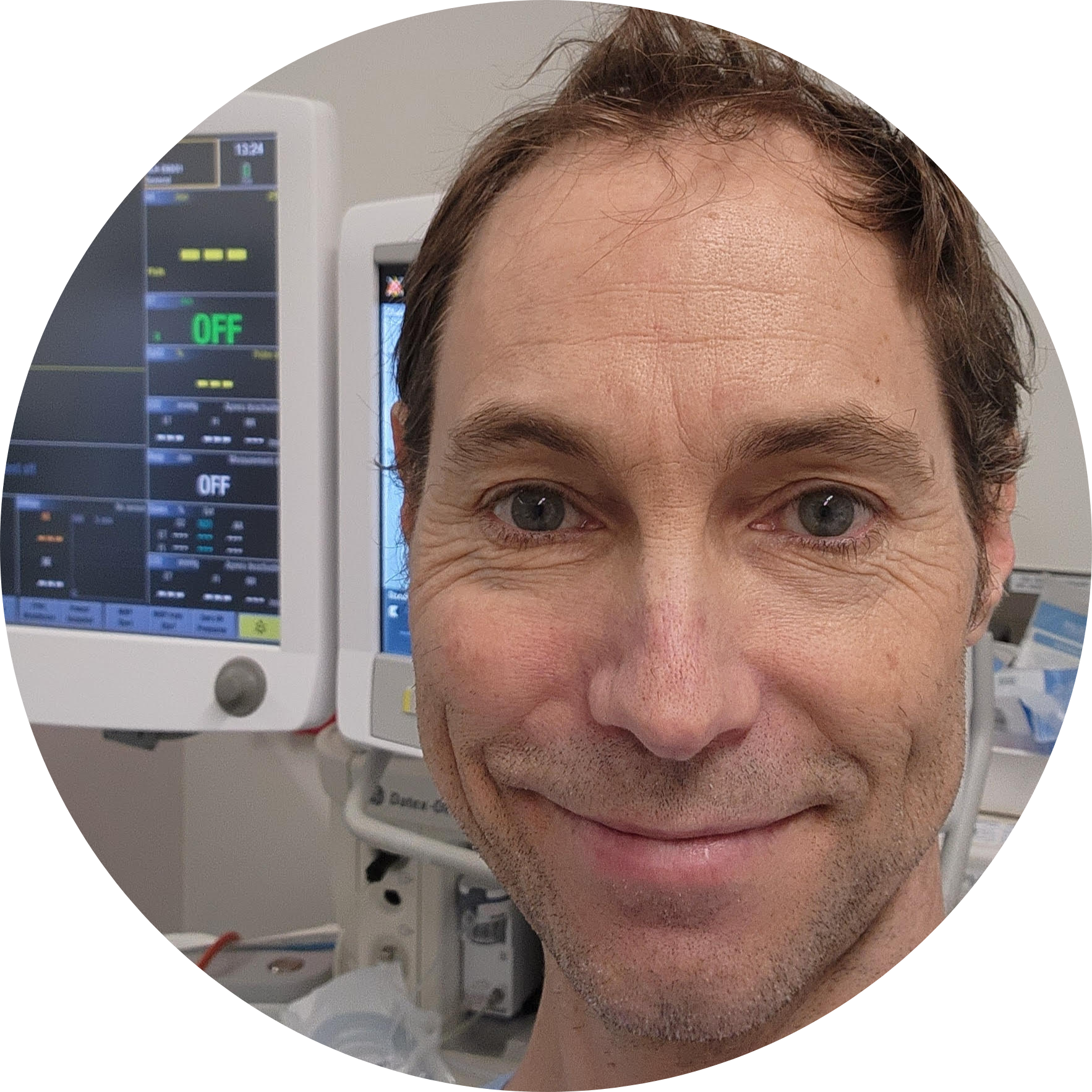
Dr Kate Wylie is a GP and the executive director of Doctors for the Environment Australia (DEA), a not-for-profit advocacy organisation that recognises that human health depends upon a healthy environment.
Based in Adelaide, Dr Wylie’s work centres on the need for emissions reduction and the protection of biodiversity in order to protect human health and on the need for sustainability in health care.
Dr Wylie is the immediate past chair of the RACGP’s Climate and Environmental Medicine Specific Interest Group, elevating the need for climate action with GPs across Australia and a previous chair of DEA.
In all her work, Dr Wylie applies a medical model to the climate crisis and as such offers a treatment plan for climate change. She seeks to activate her audience so they can help create the paradigm shift that we need to combat the climate crisis.
“Our planet is worth saving, and so are we.”